
Why Skills Training Is the Backbone of South Africa’s Economic Growth
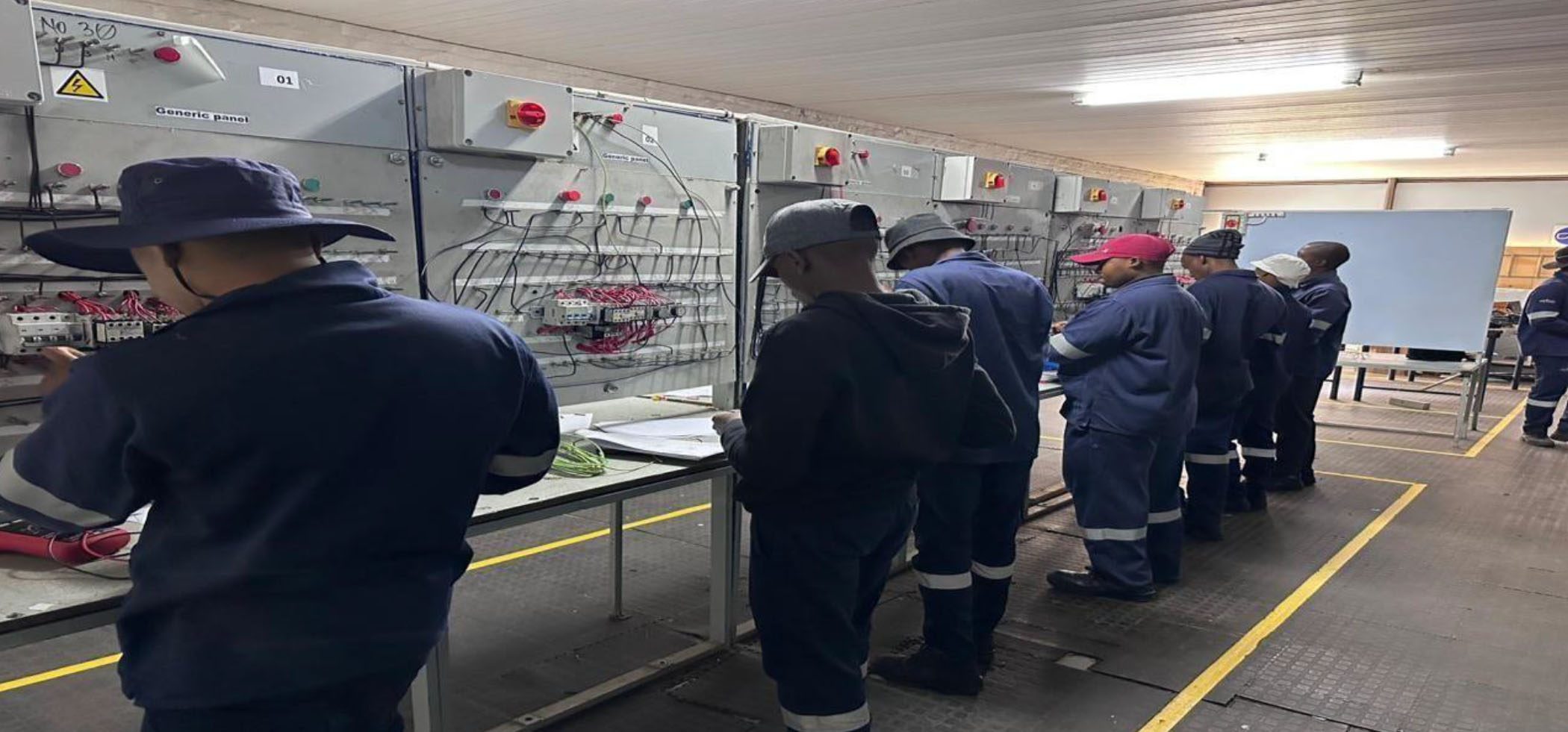
South Africa’s economy doesn’t suffer from a lack of ambition — it suffers from a lack of skills. In a country where millions of young people are unemployed, yet industries struggle to find qualified artisans, technicians, and tradespeople. Skills training is not just about education, it’s an opportunity for economic empowerment. The trades in highest demand include: electricians, millwrights, automation specialists, and instrumentation artisans. Stats show that 84% of large corporations report difficulties finding highly skilled artisan talent.
At Protech Training, we believe that empowering one artisan today helps build a thousand opportunities tomorrow. For us, skills training is not just about learning a trade. As a training institute, we are proud to make a contribution towards shaping a future where every South African can work, create, and thrive. For decades, the South African economy has relied heavily on sectors such as construction, mining, energy, and manufacturing — all of which depend on skilled human capital. Yet, the supply of trained artisans and technicians has not kept pace with the growing demand. The result is a widening gap between what our industries need and what our education system produces.
South Africa stands at a crossroads as a country full of bright, ambitious young people, yet burdened by one of the highest youth unemployment rates in the world. The problem isn’t a lack of education; it’s that what people study does not match what the economy needs. Every year, universities and colleges produce thousands of graduates, but many struggle to find jobs. Meanwhile, industries such as construction, energy, engineering, and manufacturing are desperately searching for qualified artisans and technicians. Thi s imbalance of a skills mismatch is one of the biggest obstacles to economic growth. Our education system still leans heavily toward academic qualifications, while technical and vocational training (TVET) often takes a back seat. Yet, the demand for electricians, welders, plumbers, and other skilled artisans continues to rise as South Africa pushes for industrial growth and infrastructure renewal.
As Protech Training, our training institution plays a crucial role in bridging this divide. By offering industry-relevant programmes in trades such as electrical work, Welding, Carpentry, and Bricklaying, Protech helps develop a workforce that can meet the real needs of the economy. When people from all walks of life gain access to our accredited, hands-on training, they not only become employable but also capable of creating employment for others.
Beyond economic growth, skills training transforms lives. For many young South Africans, especially those from disadvantaged backgrounds, a trade qualification is often their first step toward financial independence. Skills training provides dignity, confidence, and purpose. It allows individuals to participate meaningfully in the economy, support their families, and break the cycle of poverty. When local communities gain skilled workers, they also gain problem-solvers. They gain people who can build, repair, install, and innovate. This ripple effect extends to the entire economy: more skilled workers mean more productivity, stronger small businesses, and greater social stability.
If South Africa is to realise its vision of inclusive and sustainable economic growth, skills training must be at the centre of national policy and investment. Government, private sector, and training providers need to collaborate more closely to ensure that training programmes match market needs and that young people are supported through apprenticeships, learnerships, and mentorship opportunities. The future of our country depends not only on what we build, but on who builds it. When we invest in skills development, we invest in our people who are the true backbone of our economy